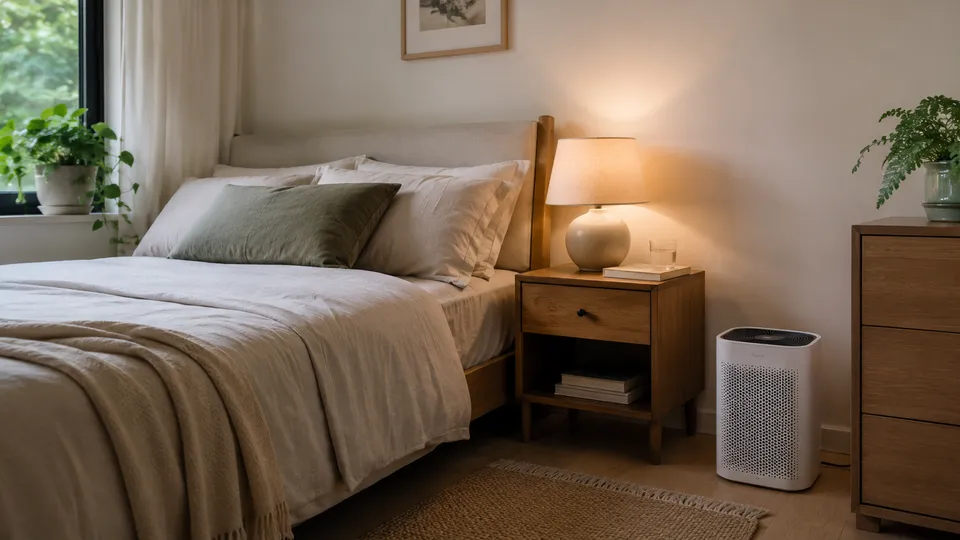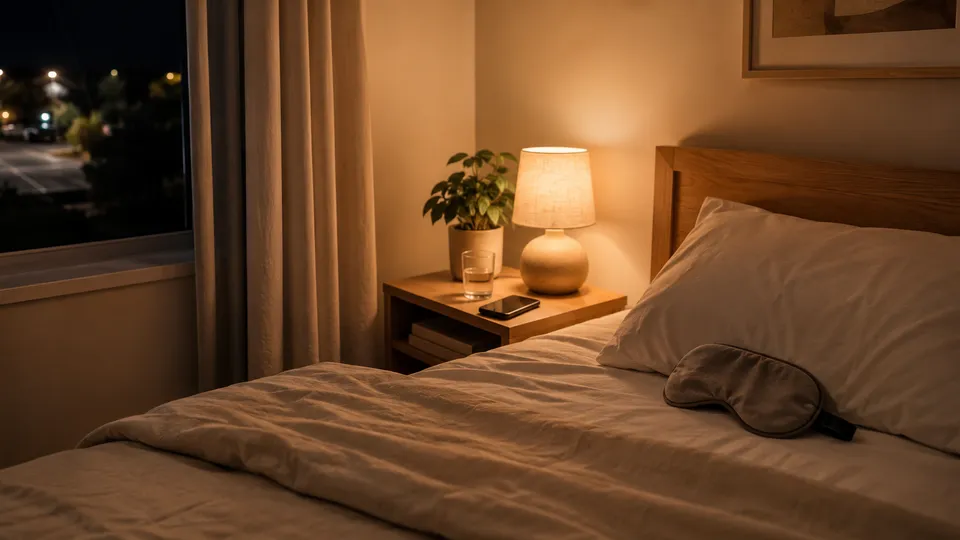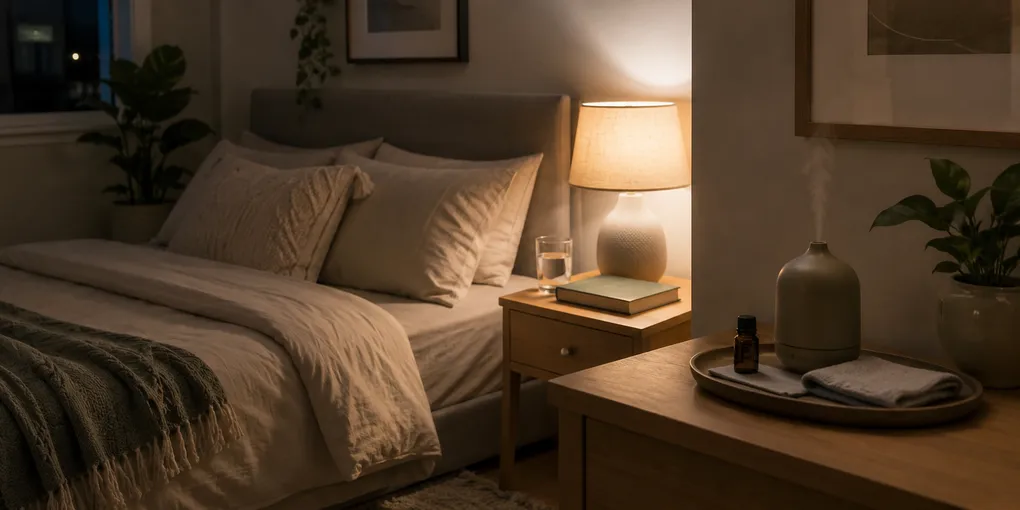
Some bedrooms do not feel restful at bedtime. The bed may be made, but the room still carries the feeling of work emails, laundry piles, bright lights, apartment noise, or late-night scrolling. Aromatherapy will not solve all of that, but a gentle scent can help mark a shift: the day is ending, the room is softening, and it is time to slow down.
Used carefully, aromatherapy can be a simple part of a relaxing bedtime routine. The key is to keep it subtle. Your bedroom should not smell like a perfume counter or a spa lobby. It should feel clean, calm, and comfortable enough that the scent fades into the background.
Quick Answer
To use aromatherapy at bedtime, choose one gentle scent, use a small amount, and pair it with the same quiet habit each night. For example: dim the lights, run a diffuser for 15 to 20 minutes, read a few pages, turn the diffuser off, and get into bed once the room smells lightly pleasant rather than strongly fragranced.
In a small bedroom, rental, studio apartment, shared room, or home with pets, use even less scent. A sachet in a drawer, a lightly scented cotton pad on a shelf, or bathroom-based aromatherapy may be easier to control than scenting the whole bedroom.
Think of Aromatherapy as a Bedtime Cue
Scent Can Support the Routine, Not Replace It
Aromatherapy works best when it is part of a pattern. The scent is not the whole routine. It is one cue alongside dimmer lighting, a quieter room, cleaner bedding, and a less stimulating activity.
That distinction matters. Aromatherapy should not be framed as a cure for insomnia, anxiety, allergies, pain, sleep disorders, or any health condition. It also should not be treated as a guaranteed way to fall asleep. A better way to use it is as a home comfort habit: a small environmental detail that helps your bedroom feel more settled.
A simple example: every night around 10 p.m., you turn on a warm lamp, put your phone across the room, start a light scent, and read for 15 minutes. Over time, that sequence can feel familiar. The consistency is the useful part.
Keep the Routine Easy Enough for a Tired Night
A bedtime routine should not become another chore. If your aromatherapy setup takes too much effort, you probably will not repeat it.
Start with one scent and one method. Do not buy a large collection of oils or mix several fragrances at once. The beginner version is simple: one light scent, one safe location, one quiet habit, and a clear stopping point before sleep.
Choose a Scent That Feels Gentle to You
Start With One Scent Family
There is no universal best bedtime scent. Lavender is common, but it is not required. Some people prefer soft herbal scents, while others like light floral, warm woodsy, or clean fresh notes.
For example, if lavender feels too heavy or too familiar, you might look for a simple single-note oil or gentle blend featuring chamomile for an herbal scent, cedarwood for a woodsy scent, or bergamot for a softer citrus note. The point is not to find the most powerful scent. It is to find one that makes the room feel pleasant without demanding attention.
Avoid anything that feels sharp, syrupy, smoky, or too much like a cleaning product. If a fragrance makes you think about the scent itself, it may be too strong or too distracting for bedtime.
A good test: after five minutes in the room, you should barely notice it.
Use Less in Small Bedrooms
Small bedrooms hold fragrance quickly. A scent that feels mild in an open living room can feel heavy in a closed apartment bedroom.
For small spaces, start below the amount you think you need. Use a shorter diffuser session, a single spray, or a passive scent source that can be removed. If you can smell the fragrance from outside the room, it is probably too much for bedtime.
Try New Scents Before the Bedtime Window
Do not test a new scent when you are already tired. If you dislike it, or if it feels too strong, the room may feel less comfortable right when you want to settle down.
Try unfamiliar scents earlier in the evening. Once you find one that works, keep it consistent for a while. Bedtime is not the best time to experiment with strong blends.
Pick the Right Aromatherapy Method
Diffuser: Best for Short, Controlled Use
A diffuser can work well if you want scent in the air for a short period before bed. Place it on a stable dresser, shelf, or tray rather than right beside your pillow. Keep it away from books, chargers, laptops, bedding, and anything that could be affected by moisture or spills.
For many bedrooms, a short pre-bed session is enough. Turn it off before sleep unless the device instructions clearly support longer use and the setup is safe for your room. In apartments and small bedrooms, start with a brief session and see how the room feels.
A diffuser is not the best choice if pets spend time in the room, children can reach it, or a partner dislikes fragrance. In those cases, choose a lighter or more contained method.
Linen Spray: Good for a Light Fabric Scent
A linen spray can be useful if you want something low effort and renter-friendly. Use it sparingly. One light mist on a throw blanket, the edge of a top sheet, or a nearby fabric item is usually enough.
Avoid soaking pillows or spraying directly where your face rests. Let fabric dry before getting into bed. If the scent irritates your skin, bothers your breathing, or annoys someone who shares the room, stop using it.
Sachet or Scented Cotton Pad: Best for Tight Spaces
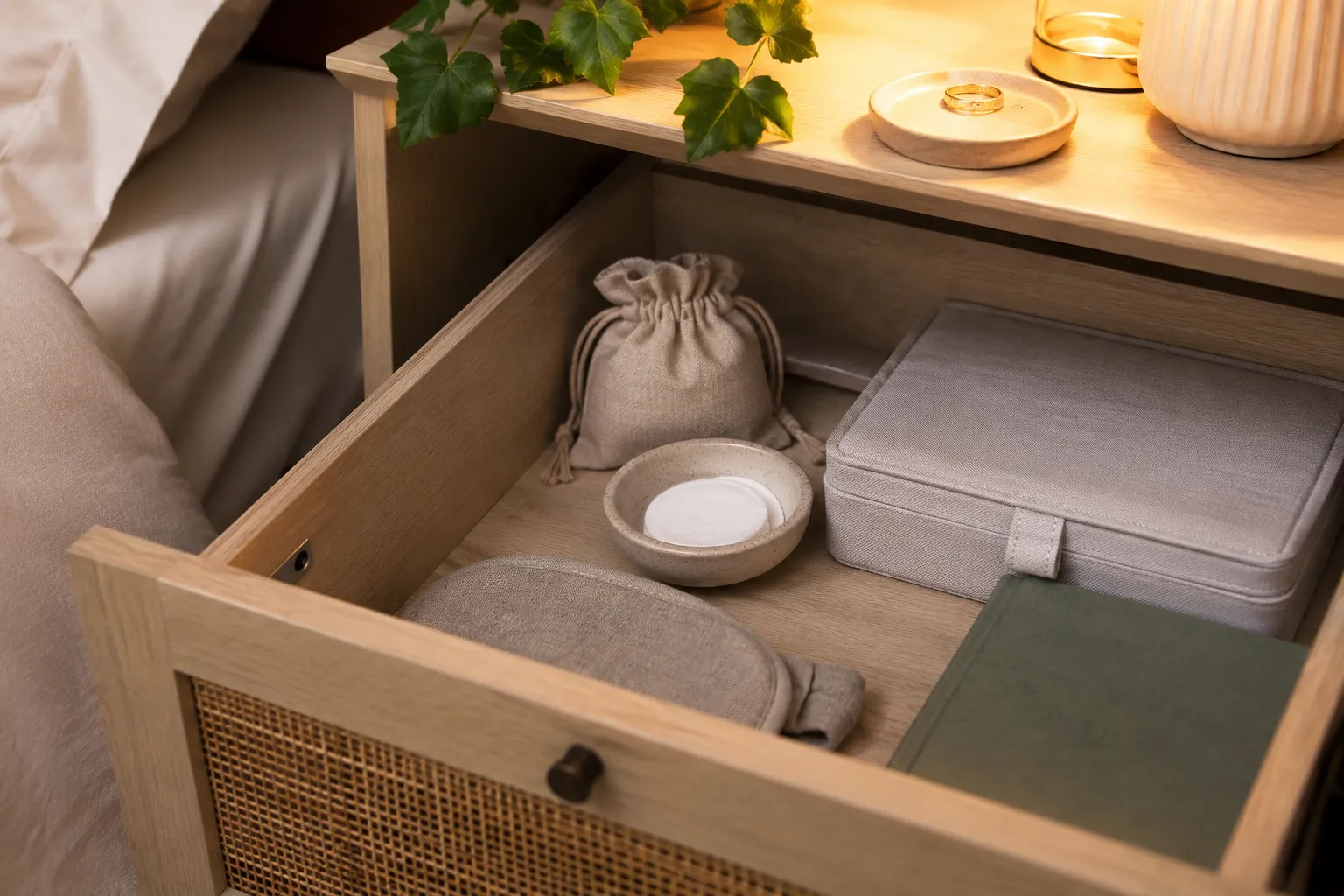
For a studio apartment, dorm-style room, or small bedroom, a passive scent source is often easier to manage. A sachet in a nightstand drawer or a lightly scented cotton pad on a high shelf can add a soft background scent without filling the entire room.
This method is also easy to undo. If the room feels too fragrant, move it farther away or remove it completely.
Keep passive scent items away from pets, children, and bedding. Do not place undiluted essential oils directly on sheets or pillows.
Bathroom Aromatherapy: Best for Shared Rooms
If you share a bedroom, use scent in the bathroom instead of the bedroom. A lightly scented shower product or shower steamer can become part of the wind-down routine without leaving fragrance in the sleep space.
This is a practical compromise for couples, roommates, pet owners, and fragrance-sensitive households. The bedroom can stay neutral while the routine still feels calming.
Candles: Use Earlier, Not When You Are Sleepy
Candles can make a room feel cozy, but they are not ideal for the final minutes before bed. Open flames require attention, and bedtime is when people are more likely to forget.
If you use a candle, use it earlier in the evening and blow it out before you feel drowsy. For the actual bedtime routine, a warm lamp, flameless candle, or dim nightlight is a safer choice, especially in rentals or homes with pets and kids.
Set Up a Safe Scent Zone
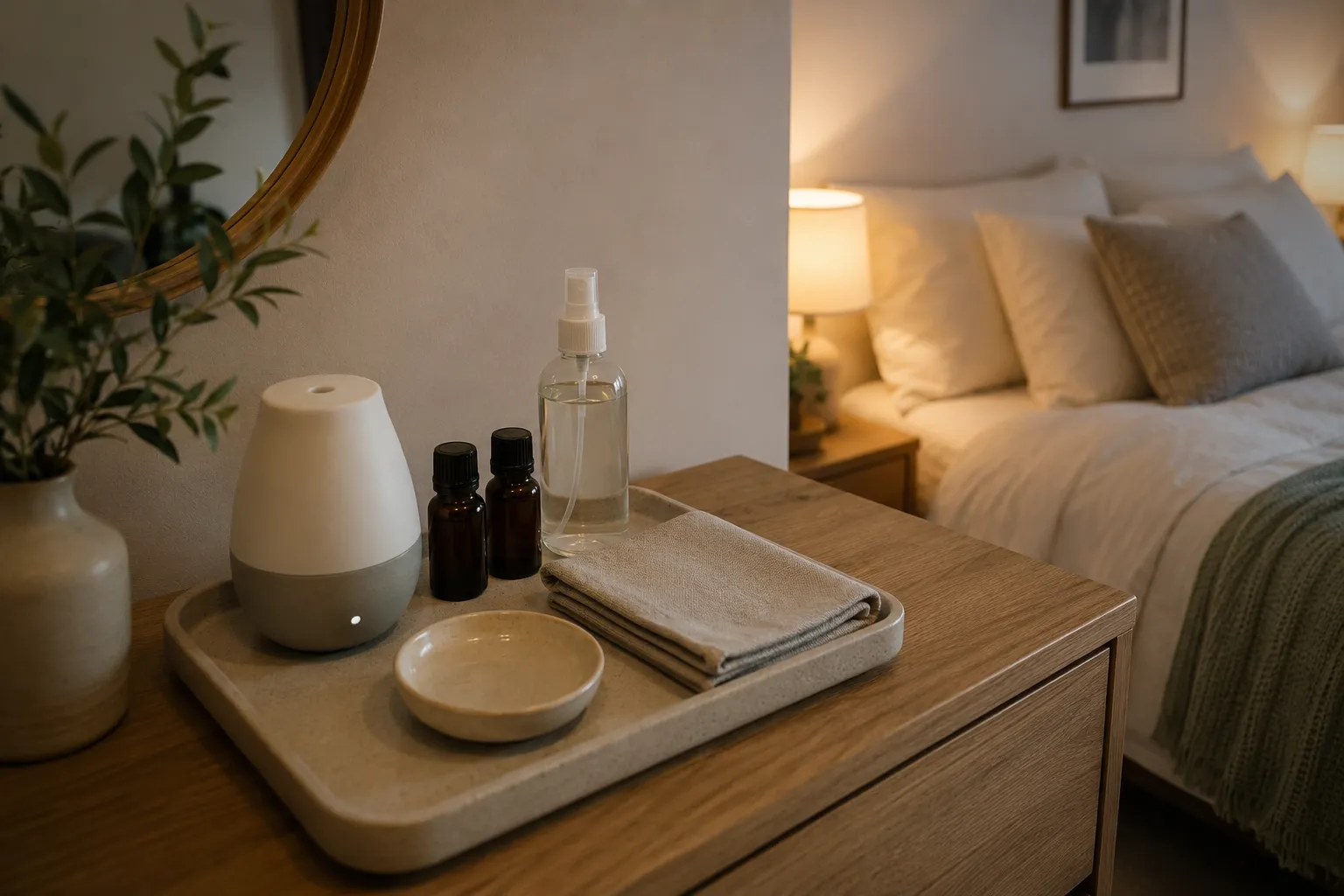
Choose One Stable Spot
A scent zone keeps the routine tidy and controlled. Use a tray on a dresser, a high shelf, or a stable corner of a nightstand. This gives diffusers, sprays, or oil bottles one home and reduces the chance of spills.
Avoid placing scent products on the floor, on the bed, near a pet bed, or next to electronics. In a rental, a tray also helps protect wood, paint, and fabric surfaces from drips or rings.
Store Products Out of Reach
Essential oils, diffuser liquids, reed diffusers, and fragrance sprays should be stored where children and pets cannot reach them. Keep bottles closed and upright.
Do not apply essential oils directly to pets. Be especially careful around cats, birds, senior pets, and pets with breathing issues. If pets spend time in your bedroom, the safest choice may be to skip bedroom diffusion and use non-scent comfort cues instead.
Watch the Airflow
A relaxing bedroom should not feel stuffy. If the room feels heavy, open the door, run a fan, or crack a window if weather and safety allow.
This is especially important in apartments where airflow may be limited. A scent that lingers overnight may be too strong or too long-lasting for that room.
A Simple 30-Minute Aromatherapy Bedtime Routine
30 Minutes Before Bed: Reset the Room
Start with the room, not the scent. Put away the cup on your nightstand, move laundry off the bed, dim overhead lights, and set your phone to charge away from the pillow.
Then add scent lightly. You might run a diffuser for a short window, set a sachet near the bed area, or mist one fabric item and let it dry.
20 Minutes Before Bed: Do One Quiet Habit
Pair the scent with something calm and repeatable. Read a chapter. Stretch your shoulders. Fold tomorrow’s sweatshirt and socks. Write down the one thing you do not want to forget in the morning.
The habit should be boring in a good way. This is not the time for a dramatic reset, a deep cleaning session, or a long phone catch-up.
10 Minutes Before Bed: Turn the Scent Down
Turn off the diffuser. Move a sachet farther from the bed if needed. Make sure sprayed fabric is dry. Let the room settle.
At this point, the scent should be soft enough that you are no longer thinking about it.
At Bedtime: Let the Room Feel Neutral
The final goal is not a strongly scented bedroom. It is a room that feels quiet, comfortable, and ready.
If the scent is distracting, reduce it next time. If a partner complains, switch methods. If the room feels stuffy, shorten the scent window. The routine should serve the room, not take it over.
Tips for Apartments, Renters, and Shared Bedrooms
For Studio Apartments
In a studio, your bed may be near your desk, kitchen, or sofa. Avoid scenting the entire apartment too early in the evening, or your work area may start to feel like bedtime before you are done for the day.
Use scent close to the bed area and only near the end of the night. A sachet, cotton pad, or short diffuser session is easier to control than a constant room fragrance.
For Renters
Choose removable, low-mess options. Use trays under diffusers and bottles. Be careful with sprays around painted walls, unfinished wood, and delicate bedding.
Skip anything that could stain, drip, smoke, or violate lease rules. A renter-friendly routine should leave no trace in the morning.
For Shared Bedrooms
Bedroom scent should be a shared decision. If one person loves lavender and the other hates it, lavender is not a good bedtime scent for that room.
Let the more sensitive person set the limit. Use less, use scent earlier, or move the scent routine to the bathroom. A calm room is more important than winning the fragrance debate.
For Fragrance-Sensitive Homes
Aromatherapy is optional. A scent-free routine can still feel warm and intentional.
Try clean sheets, a dim lamp, a fan, white noise, a cleared nightstand, or a warm shower. These changes often do more for the bedroom atmosphere than fragrance alone.
Common Mistakes to Avoid
Using Too Much Scent
More fragrance does not make the room calmer. It can make the air feel crowded. Start small and stop before the room smells done.
Leaving a Diffuser Running by Habit
A diffuser does not need to run all night to be useful. Use it as part of the wind-down period, then turn it off before bed if that works better for your space.
Soaking Your Pillow
Heavy fragrance right where you rest your face can be irritating and may stain fabric. Stick to a light mist on a throw blanket, the edge of a top sheet, or another washable fabric away from direct face contact.
Leaving Bottles Accessible
Pure essential oils are highly concentrated. Keep bottles tightly sealed and tucked inside a closed drawer, cabinet, or high storage spot out of reach of curious paws or small hands.
Expecting Scent to Fix the Whole Room
If the bedroom is bright, cluttered, noisy, or full of screens, scent will not carry the routine by itself. Start with the basics: dim light, less clutter, quieter activity, and comfortable bedding.
FAQ
Can aromatherapy be part of a relaxing bedtime routine?
Yes. Aromatherapy can be a pleasant comfort cue when used lightly and safely. It should not be treated as a cure or guaranteed sleep solution.
What is the best aromatherapy method for a small bedroom?
A sachet, scented cotton pad, or short diffuser session is usually easiest to control. Small rooms hold scent quickly, so use less than you would in a larger space.
What scents are good for a bedtime routine?
Choose a scent that feels gentle to you. Lavender is common, but chamomile, cedarwood, and soft citrus notes like bergamot may also work well for people who prefer herbal, woodsy, or fresh scent profiles. Keep the scent light and avoid anything sharp or overpowering.
Should I leave a diffuser on all night?
Not by default. Many people only need a short pre-bedtime session. Follow the diffuser instructions and turn it off if the room feels too scented, humid, or stuffy.
Can I spray aromatherapy mist on my pillow?
It is better to avoid heavily spraying pillows. If a product is made for fabric, mist lightly on a nearby washable fabric and let it dry before bed.
Is aromatherapy safe around pets?
Use caution. Keep oils and fragrance liquids away from pets, do not apply essential oils to pets, and avoid diffusing in closed rooms where pets spend time. Ask a veterinarian before using essential oils around pets with special sensitivities.
What if my partner or roommate does not like the scent?
Do not force bedroom fragrance. Use a lighter method, move the scent to the bathroom routine, or build a scent-free bedtime routine instead.
Are candles a good bedtime aromatherapy option?
Candles are better earlier in the evening than right before sleep. Never leave a candle unattended. For bedtime, flameless lighting is usually more practical.
If you are deciding whether a water-based diffuser belongs in that routine, see what to look for in a bedroom essential oil diffuser.
Final Thoughts
Aromatherapy can make a bedtime routine feel softer and more intentional, but it works best when it stays simple. Choose one gentle scent, use a small amount, and connect it to an easy habit you can repeat.
The strongest-smelling room is not the calmest room. A better goal is a bedroom that feels clean, comfortable, and considerate of the people and pets who share your home. Keep the scent light, keep the setup safe, and let the routine become something you can actually live with.